

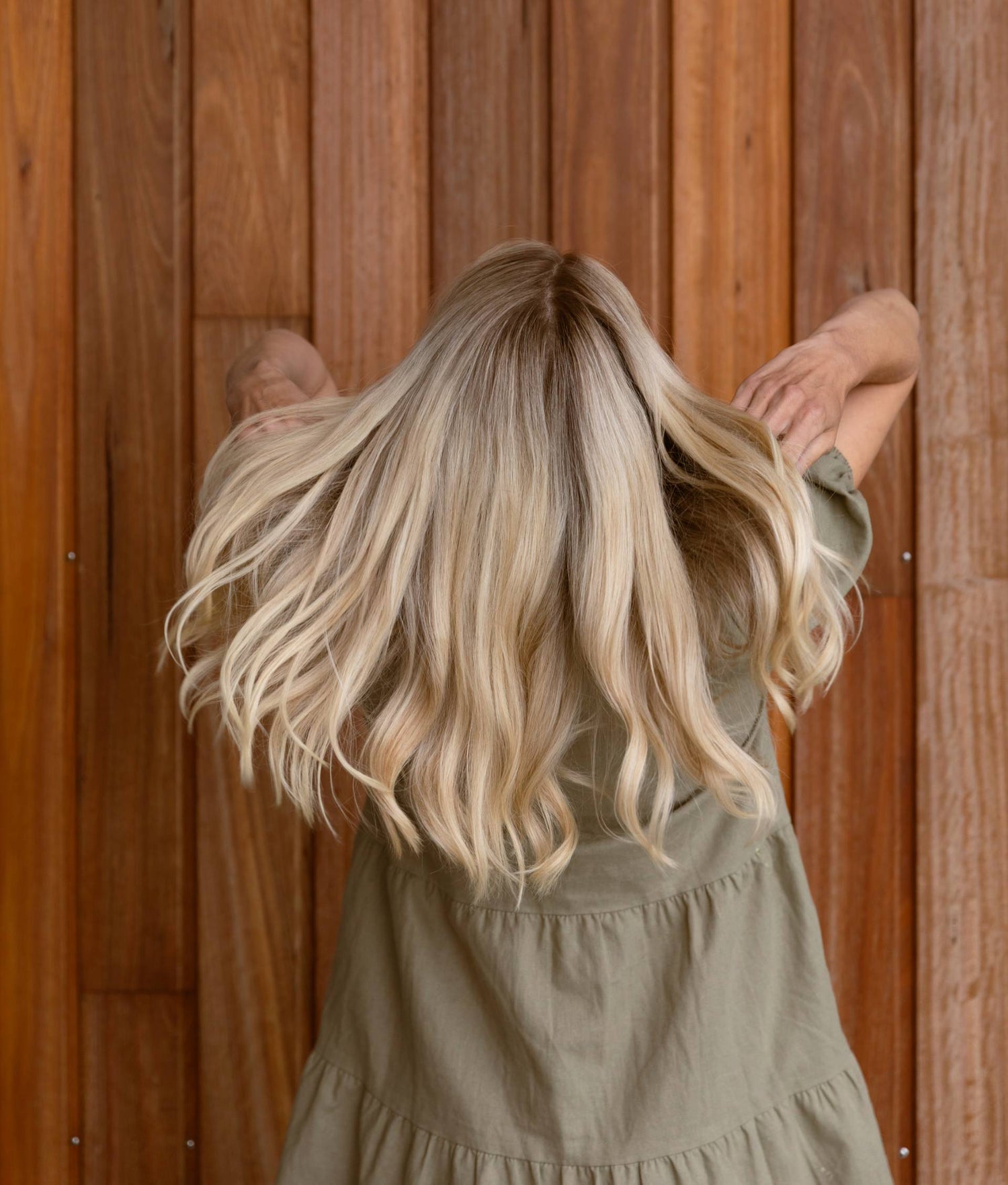

Regrow Hair Clinics is now called REGROW
If you have been searching for Regrow Hair Clinics, you are in the right place. The brand you knew as Regrow Hair Clinics is now called REGROW. This change reflects the company’s growth from a clinic-focused service into a leading Australian hair care brand, offering nature-backed solutions for hair loss and scalp health. Why the change from Regrow Hair Clinics to REGROW? The original name Regrow Hair Clinics made sense when the focus was on personalised consultations and clinic-style care. But as the brand evolved, the word Clinic no longer captured what the company had become. REGROW now creates a complete range of natural, easy-to-use hair growth and scalp care products that fit seamlessly into daily routines. The new name REGROW is modern, bold, and memorable. It signals the brand’s mission to make natural hair loss prevention and scalp health solutions accessible to everyone, not just those visiting a clinic. A vision built on experience Adam Hungerford, the founder of Regrow Hair Clinic now REGROW, has spent almost 20 years in the hair loss industry and has conducted more than 35,000 consultations. His experience revealed a clear pattern: people were waiting too long to seek help, often turning to solutions when hair loss was already advanced. By moving beyond the clinic model, REGROW empowers people to take action earlier with affordable, natural formulas that help to block DHT, improve scalp health, and stimulate blood flow. The evolution of the product range What started at Regrow Hair Clinics as a simple three-month programme of shampoo, conditioner, and tonic has grown into a full product line. Today, REGROW offers: Shampoo, conditioner, and tonic Derma Roller for scalp stimulation Lash and Brow Serum Scalp Massage Brush Blonde Care range with toning and repair ingredients These products are designed with high-purity botanical ingredients that are proven to support hair growth and scalp health, while avoiding harsh chemicals that can irritate the scalp or worsen hair loss. Prevention is better than a cure Hair loss and scalp issues affect up to 80 percent of men and women at some stage in life. The philosophy behind Regrow Hair Clinics, now REGROW, is that prevention and early intervention give the best chance of long-term natural results. By making hair growth solutions simple, affordable, and effective, REGROW helps people protect their hair before the problem becomes severe. REGROW today The rebrand from Regrow Hair Clinics to REGROW represents more than just a new name. It is a commitment to breaking down stigma, simplifying treatment, and offering natural hair health solutions for everyday use. For transparency around product use, policies, and brand commitments, you can review the full Terms and Conditions at any time. If you have been looking for Regrow Hair Clinics, know that REGROW is the next chapter, modern and dedicated to helping you look after your hair and scalp with confidence. For information on how website data may be shared for advertising purposes and how you can manage your privacy preferences, you can view the Data Sharing Opt-out page. What the Rebrand Means for You If you are an existing Regrow Hair Clinics customer, nothing you rely on has gone away. The name is new, but the team, the founder, and the commitment to natural hair care are exactly the same. Here is what to expect: Same trusted formulas: the shampoo, conditioner, and tonic you know are still here, now part of a wider range. Same easy reordering: you can restock anytime through our online store, with no clinic appointment needed. Same expertise: REGROW is led by the same founder and built on almost 20 years of hair loss experience. More choice: you now have access to new additions like the Derma Roller, Scalp Massage Brush, and Blonde Care range. Ready to pick up where you left off? Explore the full REGROW range and keep your routine going. FAQs Why did Regrow Hair Clinics change its name The name changed because the business expanded beyond a clinic model. REGROW now focuses on natural, everyday hair and scalp care products designed for use at home, making the word “clinic” less relevant. Does REGROW still offer hair loss support Yes. REGROW continues to support people experiencing hair loss and scalp concerns, with a focus on prevention, early intervention, and maintaining scalp health using natural formulations. Is REGROW a clinic or a hair care brand REGROW is now a hair care brand rather than a clinic-based service. The focus is on easy-to-use products that fit into daily routines without the need for in-clinic appointments.
Learn more
What You Need to Know About DHT and Hair Loss
Hair loss is one of the most common concerns for both men and women. While stress, diet, and age can play a part, the hormone dihydrotestosterone (DHT) is often the main driver behind hormone hair loss. Understanding what DHT does and why it affects scalp hair differently from other body hair can help you take early action and protect your follicles. What Is DHT? DHT is a potent hormone made when testosterone is converted by an enzyme called 5-alpha reductase. It plays an important role in male sexual development and contributes to secondary traits like facial hair, body hair growth, and muscle development. The tricky part is that DHT doesn’t act the same way across your body. While it promotes beard and pubic hair growth, it can weaken scalp follicles and cause hair thinning if you are genetically predisposed. How DHT Triggers Hair Loss When DHT binds to androgen receptors in scalp follicles, it gradually shrinks them. This process, called miniaturisation, leads to finer, weaker hair. Over time, follicles can stop producing hair altogether. This is the main cause of androgenetic alopecia, better known as male pattern baldness or female pattern hair loss. Family history plays a big role, as genetics determine how sensitive your scalp follicles are to DHT. DHT and Women’s Hair Loss It’s not just men who produce DHT. Women naturally have lower levels, but the balance can shift. When oestrogen levels drop, such as during menopause, post-pregnancy, or due to certain health conditions, the relative influence of DHT increases. This hormonal shift can cause scalp follicles to weaken and shrink, leading to noticeable hair thinning, often around the crown or temples. The Scalp Connection DHT can also build up in the sebaceous (oil) glands near the follicles. This extra DHT makes the scalp environment less supportive of healthy growth and speeds up follicle miniaturisation. Once follicles die completely, they cannot regrow hair, which is why early action matters. Can You Block DHT? Yes. Treatments that block DHT production, known as DHT blockers, can slow down or even reverse hair thinning while follicles are still active. These work by reducing the conversion of testosterone to DHT, protecting scalp follicles and keeping them in the growth phase longer. Lifestyle choices help too. Managing stress, supporting healthy hormone balance, and looking after scalp health all contribute to stronger hair. For advanced cases, hair transplant surgeons may suggest surgical restoration, but early treatment is almost always simpler and more effective. Natural DHT Blockers That May Help If you would rather start with a natural approach, several plant-based ingredients are commonly used in hair care for their role in supporting a healthier scalp environment: Saw palmetto, the most widely studied natural ingredient linked to reducing DHT activity, and a key active in our formulas. Pumpkin seed oil, a source of zinc and compounds often included in hair-friendly routines. Caffeine, applied topically to help stimulate the scalp and support the growth phase. Green tea extract, rich in antioxidant catechins. Rosemary oil, traditionally used to support scalp circulation. Stinging nettle, often paired with saw palmetto in natural formulas. These ingredients work best as part of a consistent daily routine rather than as one-off fixes. Our saw palmetto based hair care range brings several of these actives together for both men and women, so your scalp gets steady support from the very first wash. Restoring Hair with Regrow If you're seeing signs of thinning hair, a widening part line, or a receding hairline, it's not too late to act. Our hair growth starter packs are designed to help you begin blocking DHT and supporting your scalp from the very first wash. It's your sign to start using REGROW. Your hair restoration journey is unique, but with the right approach, you can protect your follicles, encourage growth, and feel confident again. FAQs What is DHT and why does it affect hair loss? DHT is a hormone created when testosterone is converted by the enzyme 5-alpha reductase. While it supports body and facial hair growth, it can negatively affect scalp hair by shrinking hair follicles in people who are genetically sensitive to it. How does DHT cause thinning hair? DHT binds to receptors in scalp hair follicles and causes them to gradually shrink. This process produces finer, weaker hairs over time and can eventually stop hair growth in affected areas. Is DHT hair loss genetic? Yes, genetics play a key role. Whether DHT causes hair loss depends on how sensitive your scalp follicles are to it. This sensitivity is inherited and explains why hair loss patterns often run in families. How does DHT build up in the scalp? DHT can accumulate in the sebaceous glands located near hair follicles. This buildup creates a less supportive environment for healthy hair growth and accelerates the miniaturisation process. Keeping the scalp clean and healthy can help reduce the impact of this buildup alongside other targeted treatments. What are DHT blockers and how do they work? DHT blockers are treatments that reduce the conversion of testosterone into DHT by inhibiting the enzyme 5-alpha reductase. By lowering DHT levels at the scalp, they help protect follicles from shrinking and keep them in the active growth phase for longer. They are most effective when used in the early stages of hair thinning while follicles are still functioning.
Learn more
Does Washing Hair Everyday = Hair Loss?
Does Washing Hair Everyday = Hair Loss? Many people wonder if washing hair every day causes hair loss. It’s a common worry, especially when you see hairs in the shower drain. The truth is that washing your hair isn’t the direct cause of hair loss. What matters more is your hair type, wash routine, and the products you use. Let’s break down how frequent washing affects hair health and scalp health. Understanding the Natural Hair Growth Cycle Every strand of hair goes through a natural hair growth cycle. Shedding 50 to 100 hairs a day is part of this process. When you wash your hair, those detached hairs are more visible. This doesn’t mean you’re losing more hair than normal. Instead, washing simply releases the strands that were already ready to fall out. How Frequent Hair Washing Affects Hair Washing your hair and natural oils Frequent hair washing with inappropriate hair care products can strip natural oils from the scalp, leaving it dry and disrupting the scalp’s natural balance. On the other hand, not washing enough allows excess oil, dead skin cells, and styling products to build up, which may clog hair follicles and affect healthy hair growth. Hair type matters The right wash frequency depends on your hair type. Oily hair may need daily washing to keep the scalp clean and avoid buildup. Dry hair or fine hair may benefit from washing every second day to avoid stripping essential oils. Thick hair can usually go longer between washes while still maintaining healthy shine. Proper washing techniques Using harsh shampoos, hot water, or excessive heat styling after washing can damage the hair cuticle and lead to breakage. Instead, try lukewarm water, gentle shampoos, and avoid over-styling. These small changes protect hair texture and quality. Is Daily Washing Causing Hair Thinning? Washing every day doesn’t cause thinning hair on its own. Hair thinning or excessive hair loss usually comes from factors like genetics, hormonal changes, or medical conditions. But poor wash habits such as using harsh products, overwashing with inferior products, or not rinsing properly may weaken the hair shaft over time. If you’re experiencing excessive hair loss beyond normal shedding, it’s worth looking deeper at lifestyle, health, and hair care practices rather than blaming daily washing. How to Maintain Healthy Hair Growth Keep the scalp clean without excessive washing with products not designed for hair loss Use gentle shampoos that don’t strip natural oils Avoid excessive heat styling to protect hair strands Massage the scalp during washing to stimulate blood flow and promote hair growth Adjust wash frequency to suit your hair type and scalp health Healthy hair growth comes from balance. Regular washing supports scalp health, but too much can leave hair dry, while too little can cause buildup. Finding the right routine is key. The Right Way to Wash Your Hair How you wash matters as much as how often. If you are worried about shedding, a few small adjustments protect fragile strands and keep the scalp healthy: Rinse first with lukewarm water, never hot, to loosen buildup without stressing the hair. Apply shampoo to the scalp, not the lengths, and massage gently with your fingertips rather than your nails. Let the lather run down the lengths as you rinse, instead of scrubbing the ends. Condition from mid-length to tips to protect the more fragile older hair. Finish with a cool rinse to help smooth and seal the cuticle. Treat wet hair gently: press with a towel rather than rubbing, and detangle with a wide-tooth comb from the ends up, never brush aggressively when wet. Pair a gentle technique with a sulphate-free routine and daily washing becomes something that supports your hair rather than threatens it. Supporting Hair Health with Regrow If you’re noticing thinning hair or more shedding than usual, Regrow can help. Our products are designed to support the natural hair growth cycle, improve scalp health, and maintain healthy hair. With the right routine and targeted products, you can protect your hair follicles and encourage thicker, stronger growth. Why daily washing matters When you’re dealing with hair loss, shampooing daily is important. Washing helps clear away DHT buildup on the scalp, which can weaken follicles and contribute to further shedding. But not all shampoos are created equal. Traditional shampoos and conditioners often contain silicones, sulfates, parabens and MEAs that can irritate the scalp and coat the hair without truly supporting growth. Regrow takes a different approach, our products are designed to use every day. Our formulas use high purity natural actives and are free from harsh chemicals, making them gentle yet effective for daily use. By washing with Regrow each day, you give your scalp the best environment to fight hair loss and keep your follicles healthy. FAQs Does washing your hair every day cause hair loss? No, washing your hair every day does not directly cause hair loss. The hair you see in the shower is usually part of normal daily shedding that would have fallen out anyway as part of the hair growth cycle. Why do I notice more hair falling out when I wash my hair? Washing helps release hairs that have already reached the shedding stage. This can make hair loss more noticeable, but it does not mean you are losing more hair than normal. Can daily washing damage hair? Daily washing can damage hair if harsh shampoos, very hot water, or aggressive techniques are used. Using gentle products and proper washing methods helps protect hair and scalp health. How do I know if my hair shedding is normal or a sign of something more serious? Losing 50 to 100 hairs a day is considered a normal part of the hair growth cycle. If you notice shedding well beyond this, patchy hair loss, or progressive thinning over time, it may point to an underlying cause such as hormonal changes, nutritional deficiencies, or genetics. In these cases, it is worth consulting a healthcare professional rather than attributing it solely to your wash routine. Why does daily washing matter when dealing with hair loss? When managing hair loss, washing daily can actually be beneficial as it helps clear DHT buildup on the scalp, which is one of the key contributors to weakened follicles and increased shedding. The key is using a gentle, natural formula free from harsh chemicals like sulfates, silicones, and parabens, so the scalp is cleansed effectively without causing further irritation or damage. How often should you wash your hair? It depends mostly on your hair type and scalp. Fine or oily hair often needs washing every one to two days, medium hair every two to three days, and thick, coarse or textured hair can usually go longer between washes. The goal is a clean scalp without stripping the natural oils your hair needs. Does hot water cause hair loss? Hot water does not directly cause hair loss, but it can strip the scalp of natural oils, leaving hair drier and more prone to breakage. Washing with lukewarm water is gentler on the scalp and helps protect the hair you have. Finish with a cooler rinse to help seal the hair cuticle. Should you wash thinning hair more or less often? Keeping the scalp clean matters when hair is thinning, since oil, dirt and product can build up and clog follicles. Skipping washes to protect your hair often does the opposite. A gentle, sulphate free routine that supports scalp health is usually a better approach. Read more at healthdirect.
Learn more
Why Do Men Go Bald and Women Don't?
It’s a common observation: men tend to go bald, while most women maintain fuller hair well into later life. But this difference isn’t as clear-cut as it seems. In reality, women do go bald, just in different ways and for different reasons. Let’s break down the biology behind this pattern, what causes it, and why genetics and hormones play a major role. The Role of Genetics in Hair Loss The Hair Loss Gene and Inheritance Balding is largely genetic. The most common cause is androgenetic alopecia, often referred to as male or female pattern hair loss. The gene linked to this condition is sex-linked, meaning it can be inherited from either parent, although the pattern of inheritance can differ. Both men and women can inherit the hair loss gene, but the expression is different due to hormonal and biological differences. Research shows that around 80% of men with a balding father will experience some level of hair loss. Different Gene Expression in Men and Women Even when both sexes inherit the same hair loss gene, men are more likely to experience a complete receding hairline or bald crown. This is due to how male bodies react to the hormone DHT, or dihydrotestosterone. Does Baldness Come From Your Mother's or Father's Side? You have probably heard that baldness is passed down from your mother's father. There is some truth to it, but it is only part of the picture. A key hair loss gene sits on the X chromosome, which men inherit from their mother, so your maternal grandfather's hair is a useful clue. However, research now shows that hair loss is polygenic, meaning many genes on both sides of the family contribute. In short: The X chromosome gene from your mother's side does play a significant role, especially for men. Your father's side matters too, and a balding father raises your own likelihood considerably. Because so many genes are involved, you can still experience thinning even if most of your relatives kept their hair. The practical takeaway: look at both sides of your family, not just one. If pattern hair loss runs in your family, starting a supportive routine early gives you the best chance of holding onto density. You can learn more on our men's hair loss page. DHT and Hormonal Differences Why DHT Affects Men More DHT is a derivative of testosterone. In men, high levels of DHT shrink hair follicles, especially on the crown and hairline. This leads to gradual thinning, followed by follicle miniaturisation and eventual hair loss. Women also produce DHT, but in much lower levels. Oestrogen in women helps balance DHT activity and maintain hair density, especially in younger years. As oestrogen declines with age, women may begin to show thinning, but not the same pattern baldness seen in men. Why Women Don't Follow the Same Pattern Women usually experience diffuse thinning across the scalp rather than a receding hairline or bald patch. This is why it may not be as visually obvious, despite being hormonally and genetically driven. Female hair loss often becomes more noticeable during menopause, when oestrogen levels drop and DHT becomes more active. Male Pattern Baldness Is More Recognisable Different Presentation, Same Root Cause Both sexes can have androgenetic alopecia, but the visible patterns differ. Men often develop an “M” shaped hairline or lose hair at the crown. Women tend to maintain their frontal hairline and instead notice overall thinning or widening of their part. Despite the difference in appearance, the root causes are similar: genetics, hormone sensitivity, and ageing. Statistics on Balding By age 50, about 50% of men show visible signs of male pattern baldness In contrast, only around 20% of women show moderate thinning by that age By age 70, the number of women with noticeable hair loss increases significantly due to hormonal shifts Can You Prevent Male Pattern Hair Loss? There’s no complete cure, but early treatment can help slow or minimise the effects. Blocking DHT, improving scalp health, and supporting hair follicle function through targeted treatments can help maintain density. At Regrow, our formulas are designed to reduce DHT sensitivity, nourish follicles, and encourage healthier growth using natural, clinically supported ingredients. Blocking DHT, improving scalp health, and supporting hair follicle function through targeted treatments can help maintain density. Final Thoughts While it may seem like men are the only ones who go bald, the reality is more complex. Women experience hair loss too, but the difference lies in the hormonal environment and how the genes are expressed. Understanding how DHT, genetics and hormones influence your hair gives you a better chance of taking early action. Our formulas are made to reduce DHT sensitivity, nourish follicles and support healthier hair, with options for both men and women at different stages of hair loss. If you are noticing changes in density or pattern, now is the time to act. Explore our sulphate-free hair care range to find a routine matched to your stage, or get in touch with our team and we will help you choose. FAQs Do only men go bald? No. Both men and women experience hair loss. The difference is how it appears. Men are more likely to develop a receding hairline or bald spot, while women usually experience overall thinning across the scalp rather than complete baldness. Why is hair loss more noticeable in men? Hair loss in men tends to follow recognisable patterns, such as thinning at the crown or a receding hairline. These patterns make balding more visible compared to the diffuse thinning that women commonly experience. Is hair loss genetic for both men and women? Yes. The most common form of hair loss, androgenetic alopecia, is genetic and can affect both men and women. The gene can be inherited from either parent, but hormones influence how strongly it is expressed. How do I know if my hair shedding is normal or a sign of something more serious? Losing 50 to 100 hairs a day is considered a normal part of the hair growth cycle. If you notice shedding well beyond this, patchy hair loss, or progressive thinning over time, it may point to an underlying cause such as hormonal changes, nutritional deficiencies, or genetics. In these cases, it is worth consulting a healthcare professional rather than attributing it solely to your wash routine. Why does daily washing matter when dealing with hair loss? When managing hair loss, washing daily can actually be beneficial as it helps clear DHT buildup on the scalp, which is one of the key contributors to weakened follicles and increased shedding. The key is using a gentle, natural formula free from harsh chemicals like sulfates, silicones, and parabens, so the scalp is cleansed effectively without causing further irritation or damage. At what age do men usually start going bald? Male pattern hair loss is inherited and usually begins from around age thirty, though some men notice a receding hairline or thinning crown in their twenties. Research suggests roughly half of men show visible thinning by age fifty. Because the timing is largely genetic, a family history often signals earlier changes. Learn more in healthdirect's guide to male pattern baldness. Can male pattern hair loss be reversed? Outcomes depend on the cause and how early you act. With hereditary thinning, follicles weaken gradually rather than disappearing overnight, so starting a consistent, scalp focused routine sooner gives the best chance of keeping the hair you still have. For a proper diagnosis, it is best to speak with a health professional. Why does balding affect the top of the head but not the sides? Follicles on the top and crown are more sensitive to DHT, a hormone that gradually shrinks them and shortens the growth cycle. Follicles at the sides and back are far less sensitive, so they usually keep growing. This difference in sensitivity is why balding tends to follow a familiar horseshoe pattern.
Learn more
Signs and Symptoms of Hair Loss
Hair loss can start subtly. For many, it’s a gradual process that begins with a few extra hairs in the shower drain or a widening part line. Recognising the early signs of balding helps you take action before the hair loss becomes more advanced. Below, we break down the most common symptoms to watch out for and what they might mean for your hair health. Common Early Signs of Hair Loss Gradual Thinning on Top of the Head This is the most frequent pattern of hair loss, especially in men. It typically begins at the crown or temples, where the hair becomes finer over time. In women, thinning hair may show up as a broader parting or overall loss of density across the top of the head. If you've noticed more scalp showing at the crown or a receding hairline creeping higher, these are signs that your follicles are shrinking. This process is often driven by DHT sensitivity. Receding Hairline Often associated with male pattern baldness, a receding hairline can start as early as the teenage years. Sometimes, it begins shortly after puberty. It typically forms an “M” shape across the forehead, though in some women it may appear more as general thinning near the front. One of the earliest signs, often overlooked, is the hair starting to look unhealthy. This happens when DHT builds up around the hair root, blocking blood flow and cutting off nutrients. As a result, the hair may become dry, brittle and prone to breakage, even before any visible hair loss begins. Once the recession starts, it can be difficult for hair to grow back without treatment. Other Symptoms That Often Appear Excessive Hair Fall While it’s normal to shed around 50 to 100 hairs per day, anything more could signal a problem. You might see more hair on your pillow, comb, or in the shower drain. If shedding becomes noticeable, especially over several weeks, it's worth assessing your scalp health and product routine. Dry, Itchy, or Flaky Scalp A dry, irritated scalp can contribute to hair weakening at the root. While not always a direct cause of hair loss, ongoing inflammation may disrupt healthy growth. Some people experience patches of scaling that can spread over the scalp, leading to temporary or permanent shedding in those areas. Hair Breakage or Hair Loss? Not every fallen hair means your follicles are struggling. Pick up a strand and look at both ends. Hair loss: the strand is full length with a small white bulb at one end. This means it has shed from the root. Breakage: the strand is shorter, with no bulb and a blunt or frayed end. This means it has snapped along the shaft. Breakage usually points to heat, tight styles or harsh products, while steady shedding from the root is the sign worth tracking over time. Types and Patterns of Hair Loss Type 2 and Type 3 Hair Loss These refer to the progression of thinning. Type 2 indicates moderate hair loss, usually with visible thinning across the top. Type 3 marks more advanced recession or loss at the crown. Knowing your type helps in choosing the right treatment, whether that’s blocking DHT, improving scalp circulation, or boosting follicle strength. Patches or Uneven Bald Spots Unlike typical male or female pattern baldness, some conditions such as alopecia areata can cause sudden, round bald patches. These may appear randomly and spread without warning. Bald spots at the crown or patchy loss spread over the scalp may suggest something more than routine hair thinning. Recognising Pre-Mature or Sudden Hair Loss Early Signs of Balding in Young Adults Hair loss isn’t limited to older adults. Pre-mature thinning, especially in your 20s or 30s, can often be linked to genetics, stress, poor scalp care, or hormone fluctuations. Spotting these signs early gives you more options for slowing the process. If you’re noticing your hairline shifting or the crown becoming visible, early intervention with DHT-blocking shampoos or growth masks can help preserve density. What to Do If You Notice Thinning Hair The sooner you address hair loss, the better your chances of regrowth. REGROW offers science-backed, natural formulas designed to target early signs using DHT blockers, biotin, rosemary, and native Australian botanicals that support scalp circulation and reduce inflammation. Whether you're seeing signs of recession, a patchy crown, or excessive hair fall, a consistent routine focused on scalp health and follicle support can slow or even reverse the trend. Our hair growth starter packs bundle everything you need into one simple routine, formulated with DHT blockers, biotin, rosemary, and native Australian botanicals to support scalp health from day one. FAQs What are the earliest signs of balding Early signs of balding often include gradual thinning at the crown or temples, a widening part line, or a receding hairline. Hair may also start to feel finer, weaker, or less dense before visible bald spots appear. Is it normal to lose hair every day Yes. Shedding around 50 to 100 hairs per day is normal and part of the natural hair growth cycle. Hair loss may be a concern if shedding becomes noticeably heavier or continues consistently over several weeks or months. How can I tell the difference between shedding and balding Temporary shedding usually happens evenly across the scalp and may follow stress, illness, or lifestyle changes. Balding tends to follow patterns, such as thinning at the crown, temples, or along the part, and progresses gradually over time. Can hair loss begin in your twenties or thirties? Yes, premature thinning is more common than many people realise. In younger adults, early hair loss is often linked to genetics, hormonal fluctuations, chronic stress, or poor scalp care. Spotting the signs early such as a shifting hairline or increased shedding is actually an advantage, as it opens up more options for slowing the process before it becomes more advanced. What does an unhealthy scalp have to do with hair loss? Scalp health plays a bigger role in hair loss than most people expect. When DHT builds up around the hair root, it can block blood flow and cut off the nutrients follicles need, causing hair to become dry, brittle, and prone to breakage even before visible thinning begins. Ongoing scalp inflammation, dryness, or flaking can further weaken hair at the root and disrupt healthy growth over time.
Learn more
Why are silicones, sulfates and parabens so harmful to hair?
Silicones, sulfates, and parabens are common ingredients found in many hair care products – but Regrow! When it came to creating the formula for Regrow’s shampoo, conditioner and tonic, we knew it needed to be natural and botanical. We also knew silicones, sulfates and parabens would not appear on the ingredients list. While these ingredients can be effective in their intended purposes, they can also cause damage to hair. In this blog post, we will discuss the negative effects of each of these ingredients on hair health and the reasons we said a hard NO. Silicones Silicones are synthetic compounds that are often added to hair care products to provide a shiny and smooth appearance to hair. While these compounds can help to make hair appear healthy and shiny in the short term, they can have negative effects on hair health in the long term. One of the main issues with silicones is that they can build up on the hair shaft over time, leading to dullness and flatness. This build-up can also make it difficult for other products, such as conditioners or hair masks, to penetrate the hair shaft and provide the necessary moisture and nutrients. Another issue with silicones is that they can weigh hair down and make it more susceptible to breakage. This is because the silicone coating on the hair shaft can prevent natural oils and moisture from reaching the hair, leading to dryness and breakage. Sulfates Sulfates are a common ingredient found in many shampoos and other hair care products. They are added to these products because they are effective at removing dirt and oil from the hair and scalp. However, sulfates can also cause damage to hair in a number of ways. One of the main issues with sulfates is that they can strip the hair and scalp of natural oils. This can lead to dryness and brittleness, which can cause hair to break and become damaged over time. Sulfates can also cause irritation to the scalp, which can lead to itching and flaking. Another issue with sulfates is that they can cause colour-treated hair to fade more quickly. This is because sulfates can strip the colour molecules from the hair, causing the colour to become dull and faded. Instead of using sulfates, we included ingredients that heal the damage cause by sulfates – such as scalp irritation and brittle hair. Parabens Parabens are preservatives that are added to many hair care products to prevent the growth of bacteria and mould. While they are effective at their intended purpose, parabens can also have negative effects on hair health. One of the main issues with parabens is that they can cause skin irritation and allergic reactions. This can lead to itching, redness, and inflammation of the scalp, which can cause damage to the hair follicles and lead to hair loss over time… Definately not what you want to happen? Another issue with parabens is that they can disrupt hormone function in the body. This is because parabens have been found to mimic estrogen in the body, which can lead to a range of health issues, including reproductive problems and cancer. While silicones, sulfates, and parabens can be effective in their intended purposes, they can also cause damage to hair – which is not what anyone wants. Hair care shouldn’t cause hair damage! Silicones can lead to build-up and weigh hair down, sulfates can strip hair of natural oils and cause colour fading, and parabens can cause skin irritation and disrupt hormone function. When choosing hair care products, it is important to read the labels carefully and choose products that are free of these harmful ingredients to ensure healthy and vibrant hair. Or… just shop Regrow and enjoy your best hair days ever! How to Spot These Ingredients on a Label Ingredient lists can be hard to decode, but a few name patterns make it quick. Silicones: look for words ending in "cone" or "siloxane", such as dimethicone, amodimethicone and cyclopentasiloxane. Sulphates: watch for sodium lauryl sulphate, sodium laureth sulphate and ammonium lauryl sulphate, often listed near the top. Parabens: anything ending in "paraben", such as methylparaben, propylparaben and butylparaben. Ingredients are listed from highest to lowest concentration, so anything in the first five carries the most weight. If a label is unclear, check the brand's full ingredient list online before you buy. FAQs Why do some hair care products avoid silicones Silicones are often avoided because they can build up on the hair over time. While they create a smooth and shiny look initially, they may prevent moisture and nutrients from reaching the hair shaft, which can lead to dryness, dullness, and breakage in the long run. Do silicones actually damage hair Silicones do not damage hair immediately, but long-term use can cause buildup that weighs hair down and blocks hydration. This can make hair more prone to dryness and breakage if not properly cleansed. What are sulfates and why are they controversial Sulfates are cleansing agents used to remove oil and dirt from the hair and scalp. They are effective cleansers, but they can be harsh and may strip natural oils, leading to dryness, irritation, and brittle hair for some people. Are sulfates bad for color-treated hair? Yes, sulfates can be particularly damaging for color-treated hair. They strip color molecules from the hair shaft, causing dye to fade faster and leaving hair looking dull. If you have colored hair, switching to a sulfate-free shampoo can help preserve vibrancy and extend the life of your color. What are parabens and why should I avoid them in hair products? Parabens are synthetic preservatives used to extend the shelf life of hair care products by preventing bacteria and mold growth. However, they have been linked to scalp irritation, allergic reactions, and hormonal disruption, as they can mimic estrogen in the body. Choosing paraben-free products helps reduce these risks and supports both scalp and overall health. Reference: Gavazzoni Dias, M. F. (2015). Hair cosmetics: an overview. International journal of trichology, 7(1), 2.
Learn more
Four things to know about using Regrow
Switching out your existing shampoo and conditioner for Regrow is an easy swap to make, but there are a few tips we can share to ensure you get the most from your new hair care routine. These are some of our most commonly asked questions about using Regrow Hair Clinics shampoo, conditioner, tonic and derma roller. Why can women with longer hair experience knottiness when they first start using Regrow? The majority of shampoos and conditioners on the market contain parabens and silicones which coat the hair to make it feel smoother and healthier, when in fact they suffocate the hair and stop the hair shafts from being able to absorb nutrients. So while your hair will feel silky and smooth at first, it will soon feel dry, brittle, and experience breakage. Parabens can also irritate the scalp and leave it feeling dry or unbalanced for some people. When you switch to Regrow, the first thing our product does is remove the build up of silicones and parabens from your hair and scalp, meaning longer hair can feel knotty and stripped during the first two to three washes. We recommend leaving the conditioner on for a few extra minutes and combing the products through rather than teasing or crunching it through the hair. Once the product residue has been removed from your hair shafts, you will notice the difference of our no nasties formula on your hair and scalp. Get ready for healthy shiny hair! What is the correct order of use for Regrow Hair Care range? Start by getting your hair wet and massaging our shampoo into your scalp before combing the product down to the ends. Repeat this step, then comb our conditioner through the length of your hair, avoiding the scalp. Once your hair is dry, or towel dry, spray the hair tonic onto your scalp daily. Up to four times per week, follow the tonic with the derma roller, gently around your hairline and scalp to allow the tonic to penetrate better and encourage collagen production. How long until I see results? When you start any form of hair regrowth treatment, natural or pharmaceutical, it takes time to see results. It takes around: One month for your scalp and hair to ‘wake up’ Three months for you to see a difference Six months for your friends and family to notice, and 12-18 months for your hair to be totally transformed. To maintain your results, keep using Regrow as part of your hair care routine. Let’s face it… hair takes its time to grow, which is why you should always take progress photos as they make the difference on those days you feel like giving up, or to remind you of the progress you have made. Are there forms of hair loss Regrow can’t help? There are three hair loss forms that can be challenging to treat or reverse, because they are due to auto immune conditions. Such as, alopecia, alopecia areata, and universal alopecia. While hair can grow back naturally with these conditions, the general rule of thumb is anything that can help encourage blood flow to these areas in the early stages will offer the best chance to regrow hair. Tools that support blood flow such as the derma roller used in the Regrow routine are available in our accessories range, alongside the scalp massage brush designed to complement your daily tonic application.
Learn more
What are the Early Signs of Hair Loss in Men?
Noticing the early signs of hair loss? It’s not time to invest in a wardrobe of hats for any occasion when there are many early treatment and prevention options for hair loss – including Regrow Hair Care range! Hair loss is a common problem that affects many men worldwide. Approximately two-thirds of men experience some degree of hair loss by the age of 35. However, the good news is that with early detection and treatment, hair loss can often be reversed or at least slowed down. In this blog, we will discuss how to spot the early signs of hair loss in men. Receding Hairline: A receding hairline is one of the first and most noticeable signs of hair loss in men. It usually begins at the temples and gradually moves backward towards the crown of the head. If you notice that your hairline is starting to recede, it is important to seek medical advice to determine the underlying cause and possible treatments. Thinning Hair: Thinning hair is another common sign of hair loss in men. This can happen all over the scalp, but it is often most noticeable at the crown of the head. If you notice that your hair is becoming thinner or that you can see more of your scalp, it is important to seek medical advice. Increased Hair Shedding: It is normal to lose some hair every day, but if you notice an increase in hair shedding, it may be a sign of hair loss. Pay attention to the amount of hair you are losing when you wash or comb your hair. If you are losing more hair than usual, it may be time to consult a doctor. Bald Patches: Bald patches or areas of the scalp where hair is noticeably absent can be a sign of hair loss. If you notice a bald spot, it is important to seek medical advice as soon as possible to determine the underlying cause and possible treatments. Changes in Hair Texture: Hair loss can cause changes in the texture of your hair. For example, hair that was once thick and curly may become thin and straight. Pay attention to any changes in the texture of your hair and seek medical advice if you notice any significant changes. Itching or Pain: Hair loss can sometimes cause itching or pain on the scalp. If you experience any itching or pain, it is important to seek medical advice to determine the underlying cause and possible treatments. Family History: Hair loss can be hereditary, so if your father, grandfather, or other male relatives have experienced hair loss, you may be more likely to develop it as well. If you have a family history of hair loss, it is important to be proactive and seek medical advice if you notice any signs of hair loss. How to Check for Early Hair Loss at Home You don't need special equipment to catch early changes. These five simple checks, repeated every month or two, will show you whether your hair is holding steady or starting to shift. 1. Take Monthly Photos Photograph your hairline, temples and crown once a month, in the same spot and under the same lighting. Hair loss moves slowly, so side-by-side photos reveal changes that the mirror hides day to day. 2. Know a Mature Hairline From a Receding One Most men's hairlines move back slightly in their late teens or twenties, usually about 1 to 2 cm, and then settle. This is a mature hairline. A receding hairline keeps moving over time and deepens at the temples into an M shape. 3. Check Your Part and Crown Part your hair down the middle under bright light and look at the width of the part. Then use a second mirror or your phone camera to check the crown. A widening part or more visible scalp at the crown can point to thinning. 4. Look at the Hairs You Shed For a few days, check the hairs left on your pillow, brush and shower drain. A mix of short, fine hairs among longer ones can suggest your follicles are producing weaker strands than before. 5. Try a Gentle Pull Test Skip washing for a day, then take a small bunch of about 50 to 60 hairs between your fingers and pull gently from root to tip. A few hairs coming away is normal. Consistently losing more than 5 or 6 per pull is worth noting. If these checks show steady change, or you notice patchy loss, soreness or sudden shedding, book in with your GP. healthdirect is a helpful starting point for understanding male pattern hair loss. On top of the above signs, there are some factors that can increase the likelihood of hair loss in men. These include age, hormonal imbalances, certain medications, and medical conditions such as thyroid problems or autoimmune diseases. If you are experiencing hair loss, it is important to seek medical advice as soon as possible. Your doctor can determine the underlying cause of your hair loss and recommend appropriate treatments. Our products are designed for prevention, with each ingredient chosen for quick wins and long-term results. If you are ready to get started, our hair growth starter packs include everything you need in one bundle, designed to target early signs of thinning with DHT-blocking botanical ingredients. FAQs What are the earliest signs of hair loss in men? Early signs often include a receding hairline at the temples, thinning hair at the crown, increased shedding, or changes in hair texture. These signs usually appear gradually rather than all at once. Is a receding hairline always a sign of hair loss? Not always, but a receding hairline is one of the most common early indicators of male pattern hair loss. If it continues to move back over time, it may signal follicle weakening rather than a natural hairline change. How much hair shedding is considered normal? Losing around 50 to 100 hairs per day is normal. Hair loss may be a concern if shedding increases noticeably or continues consistently for several weeks. Can changes in hair texture be an early warning sign of hair loss? Yes, texture changes are often overlooked but can be one of the earliest indicators that something is affecting your follicles. Hair that was once thick or full-bodied becoming noticeably finer, straighter, or weaker may signal that follicles are beginning to shrink. Paying attention to these subtle shifts and acting early gives you the best chance of slowing further progression. Does family history guarantee that I will experience hair loss? Having a family history of hair loss increases your likelihood of experiencing it, but it is not a guarantee. Genetics determine how sensitive your follicles are to DHT, but lifestyle factors, scalp health, and early intervention all play a role in how quickly or severely hair loss develops. Being aware of your family history simply means it is worth monitoring your hair more closely and acting sooner rather than later. The earlier you take action, the better your chances of reversing or slowing down hair loss. Shop the full Men’s Hair Care Range here.
Learn more
DHT Demystified: Understanding How This Hormone Causes Hair Loss and What You Can Do About It
What is DHT and how does it cause hair loss? Hair loss is a common problem that can have a big impact on your confidence and self-esteem. One of the most common causes of hair loss is DHT, or dihydrotestosterone. DHT is a hormone that is produced naturally in the body, and when there is an excess of it, it can cause hair follicles to shrink, leading to hair loss. At Regrow AU, we use a range of natural ingredients, including saw palmetto extract, to combat DHT and promote hair growth, explore our men's hair care range to find products formulated specifically to support follicle health. Natural ways to help manage DHT But don’t worry, there are ways to combat DHT and promote hair growth. Scientific studies have shown that certain natural ingredients can be effective in reducing DHT levels and stimulating hair growth. For example, a study published in the Journal of Cosmetic Dermatology found that saw palmetto extract, a natural DHT blocker, was effective in reducing hair loss in men. Foods that may support a healthy DHT balance What you eat will not override your genetics, but a nutrient-rich diet gives your follicles the best possible environment to stay healthy. Some foods are often included in a hair-friendly diet because of the nutrients they provide: Pumpkin seeds, a source of zinc and naturally occurring compounds studied for their role in supporting hair. Leafy greens like spinach and kale, rich in iron and folate. Green tea, which contains antioxidant compounds called catechins. Eggs and lean protein, supplying the building blocks hair is made from. Nuts and seeds, for zinc, selenium and healthy fats. Think of nutrition as the foundation that a targeted hair care routine builds on, rather than a standalone fix. Lifestyle changes that support hair health In addition to using our hair care range, there are several lifestyle changes you can make to reduce DHT levels in your body. Regular exercise, a healthy diet, and stress management techniques can all help promote hair growth and reduce DHT levels. So if you’re experiencing hair loss, don’t despair! With our natural hair care range and a few lifestyle tweaks, you can keep your hair looking fabulous and full. And don’t just take our word for it, scientific studies have shown that these natural ingredients really work! A study published in the Journal of Cosmetic Dermatology found that a hair care product containing natural DHT blockers was effective in reducing hair loss in women with female pattern hair loss. At Regrow Hair, we’re passionate about helping our clients feel confident and beautiful. So why not give our hair care range a try and see the results for yourself? FAQs What is DHT and how does it cause hair loss? DHT, or dihydrotestosterone, is a hormone made from testosterone. In people who are genetically sensitive, DHT can cause hair follicles on the scalp to shrink over time, leading to thinner hair and eventual hair loss. Is DHT-related hair loss common? Yes. DHT is one of the most common contributors to hair loss in both men and women, particularly in conditions such as male pattern baldness and female pattern hair loss. Can natural ingredients help reduce the effects of DHT? Some natural ingredients are commonly used in hair care to help reduce the impact of DHT on the scalp. These ingredients are typically included to support scalp health and help protect hair follicles rather than act as medical treatments. What lifestyle changes can help reduce DHT levels naturally? Several everyday habits can support healthier DHT balance in the body. Regular exercise, a nutrient-rich diet, and consistent stress management all contribute to healthier hormone levels overall. While lifestyle changes alone may not stop DHT-related hair loss entirely, they can complement a targeted hair care routine and help slow the progression of thinning over time. Does DHT-related hair loss affect women as well as men? Yes, while DHT-related hair loss is more commonly associated with men, women can also be affected. Women naturally produce lower levels of DHT, but hormonal shifts such as those that occur during menopause or due to certain health conditions, can increase DHT's influence on scalp follicles. In women, this typically presents as diffuse thinning rather than a receding hairline, but the underlying hormonal mechanism is similar.
Learn more
DHT and Hair Loss: Understanding the Connection
The Silent Culprit: DHT Hair loss can be a touchy subject, bringing with it a myriad of emotions and can effect self-esteem. However, understanding its root causes can pave the way for better treatment and prevention. One of the primary causes of hair loss is Dihydrotestosterone (DHT). But what is DHT and why does it play such a significant role in hair loss? DHT Demystified Dihydrotestosterone (DHT) is a hormone derived from testosterone, present in both men and women, and is produced when testosterone interacts with the enzyme 5-alpha reductase. It is produced when testosterone interacts with the enzyme 5-alpha reductase, which converts testosterone into its more potent form and plays a central role in DHT-related hair loss. While DHT is beneficial during our early developmental years, playing a pivotal role in the formation of male primary and secondary sexual characteristics, in adulthood, it can become the antagonist in the narrative of our hair growth. The DHT and Hair Loss Connection So how does DHT affect our hair? Follicle Miniaturisation: DHT binds to androgen receptors in hair follicles, especially those in the hairline and crown in men and thinning areas in women. Over time, this results in the shrinkage of the hair follicle, making it harder for it to produce healthy hair. Shortened Growth Phase: Our hair goes through different stages, including a growth phase (anagen) and a resting phase (telogen). Excess DHT can shorten the anagen phase, resulting in hair not growing to its full length before shedding. Increased Hair Shedding: High levels of DHT can accelerate the hair’s transition from the anagen phase to the telogen phase, causing increased hair shedding. But Why Does DHT Affect Some and Not Others? Simply put, genetics. Those genetically predisposed to hair loss have hair follicles that are more sensitive to DHT. This means that while many people produce DHT, not everyone will experience hair loss due to its presence. DHT-related thinning in women typically presents as diffuse hair loss rather than a receding hairline, and our women's hair care range includes products formulated to address exactly this type of hormonally influenced shedding. Fighting Back: Inhibiting DHT DHT Blocking Shampoos: Such as Regrow! Our botanical and high purity ingredients are infused with saw palmetto, nettle, and biotin to reduce DHT levels on the scalp, explore our full men's hair care range to find the right formula for your needs. Other shampoos on the market usually contain caffeine, which has also been proven to stimulate blood flow to follicles, but they often miss the step of blocking DHT build up from the scalp! Topical Solutions: Minoxidil, for example, while not a direct DHT inhibitor, can help with advance hair loss, but can come with side effects. Prescription Medications: Alongside pharmaceutical topical solutions, there are also pharmaceutical tablets which can slow or reverse hair loss, however they also come with potential side effects. Natural Supplements: Many swear by natural remedies such as saw palmetto, green tea, and even pumpkin seeds, which are believed to have DHT inhibiting properties, but they do not directly affect the follicles where DHT does the most damage. While DHT plays a vital role in hair loss, it’s essential to remember that other factors like stress, nutrition, and other hormonal imbalances can also influence your hair’s health. It’s always a good idea to consult with your GP to understand the exact cause of your hair woes. With the right knowledge and treatment, you can take proactive steps toward preserving and even rejuvenating your locks! Natural Ways to Reduce DHT's Impact on Your Hair You cannot stop your body producing DHT, but you can help limit the effect it has on your follicles. A scalp focused routine using ingredients associated with DHT support, such as saw palmetto, caffeine and niacinamide, is one of the most practical starting points and works best applied consistently. Lifestyle plays a part too. Managing stress, eating a nutrient rich diet and keeping the scalp clean all support a healthier follicle environment. Because DHT related thinning is gradual, acting early gives your follicles the best chance of staying in the active growth phase for longer. FAQs What is DHT DHT, or dihydrotestosterone, is a hormone derived from testosterone. It is naturally present in both men and women and plays an important role in development earlier in life. How is DHT linked to hair loss In people who are genetically sensitive, DHT can bind to receptors in scalp hair follicles and cause them to gradually shrink. This process weakens hair growth over time and can eventually lead to hair loss. Why does DHT affect scalp hair but not other body hair DHT affects different hair follicles in different ways. While it can stimulate beard and body hair growth, scalp follicles in certain areas are more sensitive to DHT, which causes them to weaken and shrink instead. How does DHT shorten the hair growth cycle? DHT can interfere with the natural hair growth cycle by cutting short the active growth phase, known as the anagen phase. This means affected hairs do not reach their full length before shedding, and over time the resting phase becomes more dominant. The result is progressively thinner, weaker strands and increased overall shedding, even before visible bald patches appear. What is the difference between DHT-blocking shampoos and other hair loss treatments? DHT-blocking shampoos work directly at the scalp level, targeting DHT buildup where it causes the most damage to follicles. Other treatments such as topical minoxidil do not directly block DHT but can support hair growth in more advanced cases. Prescription medications can also slow DHT activity but may carry side effects. Natural supplements like saw palmetto may help reduce DHT systemically but do not act directly on the follicle the way a topical DHT-blocking formula does. If you are ready to take a proactive approach against DHT-related hair loss, our hair growth starter packs bundle everything you need into one simple routine. Take your first step with Regrow!
Learn more