

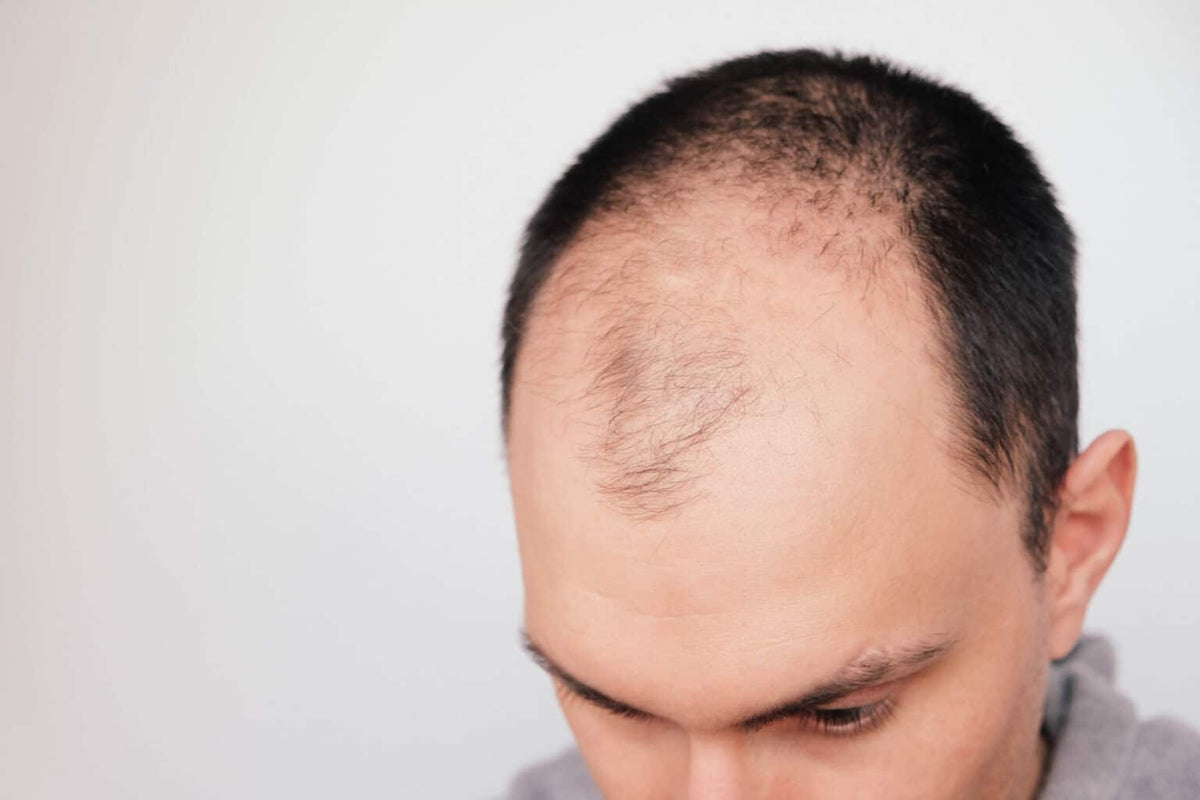
What is DHT and how does it cause hair loss?
Hair loss is a common problem that can have a big impact on your confidence and self-esteem. One of the most common causes of hair loss is DHT, or dihydrotestosterone. DHT is a hormone that is produced naturally in the body, and when there is an excess of it, it can cause hair follicles to shrink, leading to hair loss.
At Regrow AU, we use a range of natural ingredients, including saw palmetto extract, to combat DHT and promote hair growth, explore our men's hair care range to find products formulated specifically to support follicle health.
Natural ways to help manage DHT
But don’t worry, there are ways to combat DHT and promote hair growth. Scientific studies have shown that certain natural ingredients can be effective in reducing DHT levels and stimulating hair growth. For example, a study published in the Journal of Cosmetic Dermatology found that saw palmetto extract, a natural DHT blocker, was effective in reducing hair loss in men.
Foods that may support a healthy DHT balance
What you eat will not override your genetics, but a nutrient-rich diet gives your follicles the best possible environment to stay healthy. Some foods are often included in a hair-friendly diet because of the nutrients they provide:
- Pumpkin seeds, a source of zinc and naturally occurring compounds studied for their role in supporting hair.
- Leafy greens like spinach and kale, rich in iron and folate.
- Green tea, which contains antioxidant compounds called catechins.
- Eggs and lean protein, supplying the building blocks hair is made from.
- Nuts and seeds, for zinc, selenium and healthy fats.
Think of nutrition as the foundation that a targeted hair care routine builds on, rather than a standalone fix.
Lifestyle changes that support hair health
In addition to using our hair care range, there are several lifestyle changes you can make to reduce DHT levels in your body. Regular exercise, a healthy diet, and stress management techniques can all help promote hair growth and reduce DHT levels.
So if you’re experiencing hair loss, don’t despair! With our natural hair care range and a few lifestyle tweaks, you can keep your hair looking fabulous and full. And don’t just take our word for it, scientific studies have shown that these natural ingredients really work! A study published in the Journal of Cosmetic Dermatology found that a hair care product containing natural DHT blockers was effective in reducing hair loss in women with female pattern hair loss.
At Regrow Hair, we’re passionate about helping our clients feel confident and beautiful. So why not give our hair care range a try and see the results for yourself?
FAQs
What is DHT and how does it cause hair loss?
DHT, or dihydrotestosterone, is a hormone made from testosterone. In people who are genetically sensitive, DHT can cause hair follicles on the scalp to shrink over time, leading to thinner hair and eventual hair loss.
Is DHT-related hair loss common?
Yes. DHT is one of the most common contributors to hair loss in both men and women, particularly in conditions such as male pattern baldness and female pattern hair loss.
Can natural ingredients help reduce the effects of DHT?
Some natural ingredients are commonly used in hair care to help reduce the impact of DHT on the scalp. These ingredients are typically included to support scalp health and help protect hair follicles rather than act as medical treatments.
What lifestyle changes can help reduce DHT levels naturally?
Several everyday habits can support healthier DHT balance in the body. Regular exercise, a nutrient-rich diet, and consistent stress management all contribute to healthier hormone levels overall. While lifestyle changes alone may not stop DHT-related hair loss entirely, they can complement a targeted hair care routine and help slow the progression of thinning over time.
Does DHT-related hair loss affect women as well as men?
Yes, while DHT-related hair loss is more commonly associated with men, women can also be affected. Women naturally produce lower levels of DHT, but hormonal shifts such as those that occur during menopause or due to certain health conditions, can increase DHT's influence on scalp follicles. In women, this typically presents as diffuse thinning rather than a receding hairline, but the underlying hormonal mechanism is similar.
