

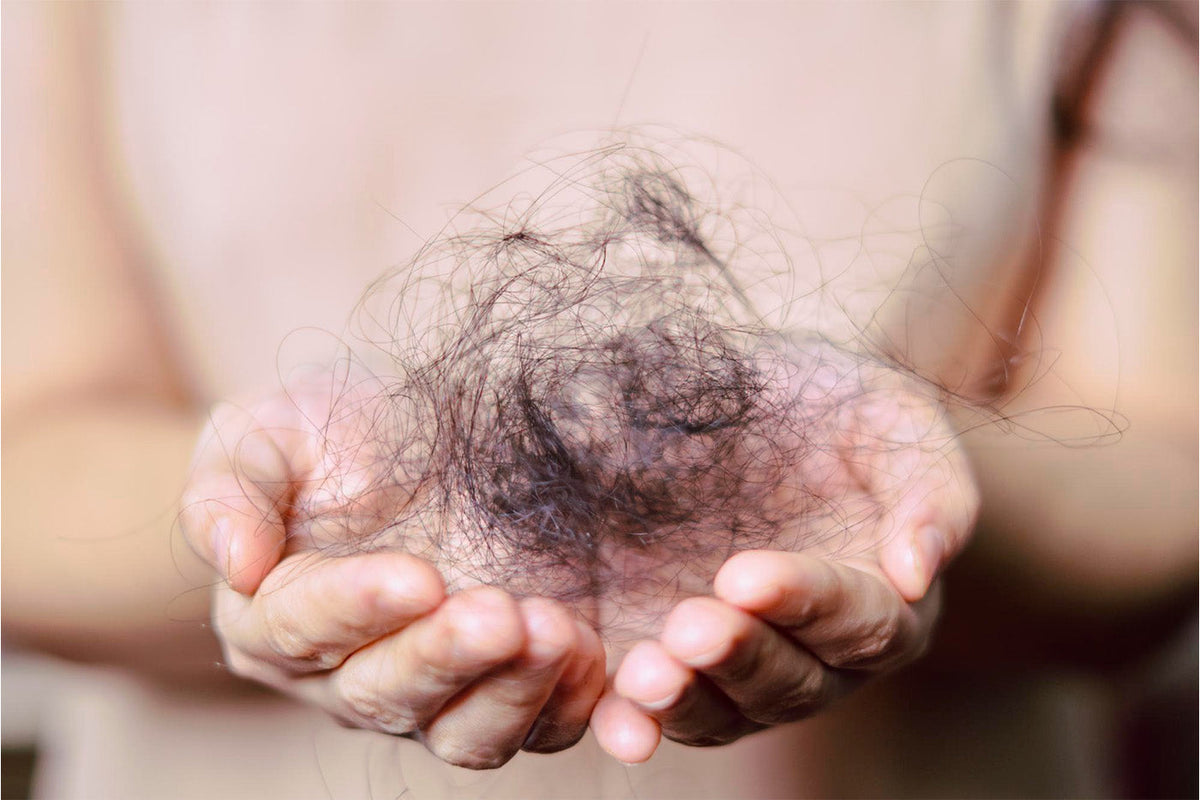
Noticing hair in your brush, on your pillow, or in the shower can be worrying. Many Australians ask the same question: how much hair loss is normal?
The truth is that some hair shedding is completely natural. Hair falls out as part of the normal hair growth cycle. The key is understanding what is considered normal shedding and when hair loss may indicate a deeper issue.
How Many Hairs Do You Lose Per Day?
On average, it is normal to lose between 50 and 100 hairs per day. This daily shedding is part of the natural renewal process of your scalp.
Your hair follicles operate on a cycle. While some hairs are actively growing, others are resting or preparing to shed. Because not all hairs are in the same phase at the same time, shedding occurs gradually rather than all at once.
If you wash your hair less frequently, you may notice more hair coming out during one wash. This does not necessarily mean you are losing more hair overall. It may simply be accumulated shedding.
If you are looking to support your scalp's natural renewal process, browsing our full range of hair care products is a good place to start.
Understanding the Hair Growth Cycle
To understand how much hair loss is normal, it helps to know how the cycle works.
Hair goes through four stages:
- Anagen (growth phase)
- Catagen (transition phase)
- Telogen (resting phase)
- Exogen (shedding phase)
At any given time, around 10 to 15 percent of your hairs are in the resting or shedding stages. That is why daily hair fall is expected.
When Is Hair Loss Not Normal?
Hair loss may not be normal if you notice:
- Sudden or excessive shedding
- Visible thinning across the scalp
- A widening part line
- Receding hairline
- Bald patches
- Increased hair in the shower drain over several weeks
If you are losing significantly more than 100 hairs per day consistently, it may be time to investigate further.
Common Causes of Increased Hair Shedding
There are many reasons why hair shedding can increase temporarily or become ongoing.
Stress
Physical or emotional stress can push more hairs into the resting phase, leading to increased shedding several months later. This condition is often called telogen effluvium and can push more hairs into the resting phase, leading to increased shedding several months later.
Hormonal Changes
Pregnancy, menopause, thyroid imbalances and other hormonal shifts can disrupt the normal growth cycle.
Nutritional Deficiencies
Low iron, protein deficiency and other nutrient imbalances can affect hair production and strength.
Medical Conditions
Autoimmune disorders, scalp infections and certain medications can contribute to abnormal hair loss.
Genetic Hair Loss
Androgenetic alopecia, commonly known as male or female pattern hair loss, leads to gradual thinning rather than sudden shedding and is driven by genetics and hormones.
Temporary Shedding vs Progressive Hair Loss
It is important to distinguish between temporary shedding and progressive thinning.
Temporary shedding usually:
- Occurs after a trigger such as illness or stress
- Improves within 3 to 6 months
- Does not permanently damage follicles
Progressive hair loss:
- Develops gradually
- Leads to visible thinning
- May require professional treatment
Monitoring patterns over time can help determine which type you are experiencing. If you suspect progressive hair loss rather than temporary shedding, our hair growth starter packs are designed to support your scalp through every stage of the cycle.
How to Monitor Your Hair Loss
If you are unsure whether your hair loss is normal, you can:
- Observe changes in hair density
- Take photos monthly under the same lighting
- Monitor how much hair accumulates during washing
- Pay attention to widening parts or thinning temples
Early detection is important. The sooner you identify abnormal hair loss, the more treatment options are typically available.
Supporting a healthy scalp goes beyond shampoo, tools like a derma roller or scalp massage brush from our accessories range can help stimulate blood flow and complement your daily hair care routine.
How to Check If Your Hair Loss Is Normal at Home
You do not need special equipment to get a rough sense of whether your shedding is within the normal range. Two simple self-checks can help:
- The pull test: Take a small section of about 40 to 60 hairs and gently run your fingers along it, from root to tip. Losing two or three strands is normal. If six or more come away each time you try it across different areas, that can point to active shedding worth monitoring.
- The 60-second shower test: On a wash day, count the hairs that collect after shampooing. Anywhere up to around 100 to 150 on a wash day is generally normal, especially if you do not wash daily and shedding has accumulated.
Try these when your hair is dry and untangled, and repeat every few weeks rather than daily, since results naturally vary. These checks are a guide, not a diagnosis. If the numbers stay consistently high or you can see thinning, it is worth speaking to a professional.
When to Seek Professional Advice
If shedding persists for more than a few months, or you notice clear thinning, a patchy pattern or a receding hairline, it is worth seeing your GP or a dermatologist. They can check for underlying causes such as hormonal shifts, nutritional deficiencies or a medical condition, and point you toward the right plan for your situation. Losing 50 to 100 hairs a day is completely normal, so the goal is to notice sustained change rather than a single heavy day.
Start With a Gentle Routine
Alongside professional advice, the daily care you give your scalp matters. If you are noticing consistent excess shedding or visible thinning, acting early makes a real difference, and a gentle, sulphate-free routine keeps the scalp in the best possible condition to support a healthy growth cycle. If you are ready to take that first step, explore our sulphate-free hair care range and find a routine suited to your hair. Not sure what fits? Get in touch with our team and we will help you choose.
Frequently Asked Questions
How much hair loss is normal per day?
Losing between 50 and 100 hairs a day is completely normal. This is part of your hair's natural growth cycle, where follicles move through active growth, resting, and shedding phases at different times. If you notice significantly more than this on a consistent basis, it may be worth investigating further.
Why do I seem to lose more hair when I wash it?
If you wash your hair less frequently, shed hairs that haven't yet fallen on their own accumulate and come out together during your next wash. This can look alarming, but it doesn't necessarily mean your overall daily loss is higher than normal.
What's the difference between normal shedding and actual hair loss?
Normal shedding is gradual and spread across the scalp, with no visible thinning or changes to your hairline. Actual hair loss tends to show up as a widening part, thinning at the temples or crown, or noticeably reduced density over time. If you're seeing those signs, that goes beyond everyday shedding.
What causes hair loss beyond normal shedding?
A range of factors can push shedding past the normal threshold, including hormonal changes, high stress, nutritional deficiencies, scalp health issues, and DHT buildup in hair follicles. DHT is one of the most common drivers of hereditary thinning in both men and women, gradually weakening follicles and slowing regrowth.
Can the right hair care routine make a difference?
Yes. A routine built around ingredients that support scalp health and address DHT can help keep follicles in the active growth phase for longer. Our shampoos and conditioners are formulated with saw palmetto, caffeine, biotin, and niacinamide, specifically chosen to support a healthier scalp environment and reduce the conditions that lead to excess shedding.
When should I be concerned about my hair loss?
If your shedding has increased noticeably over several months, you're seeing visible thinning, or your part or hairline has shifted, it's worth taking action sooner rather than later. Early intervention gives your follicles the best chance of recovery. Browse our men's and women's ranges to find a routine suited to where you're at.
How do I know if my hair loss is improving?
Monitoring consistently is key. Take monthly photos under the same lighting, note how much hair accumulates during washing, and pay attention to whether your part or density is changing. Most people using REGROW products begin noticing a difference within three to six months of consistent use.
