

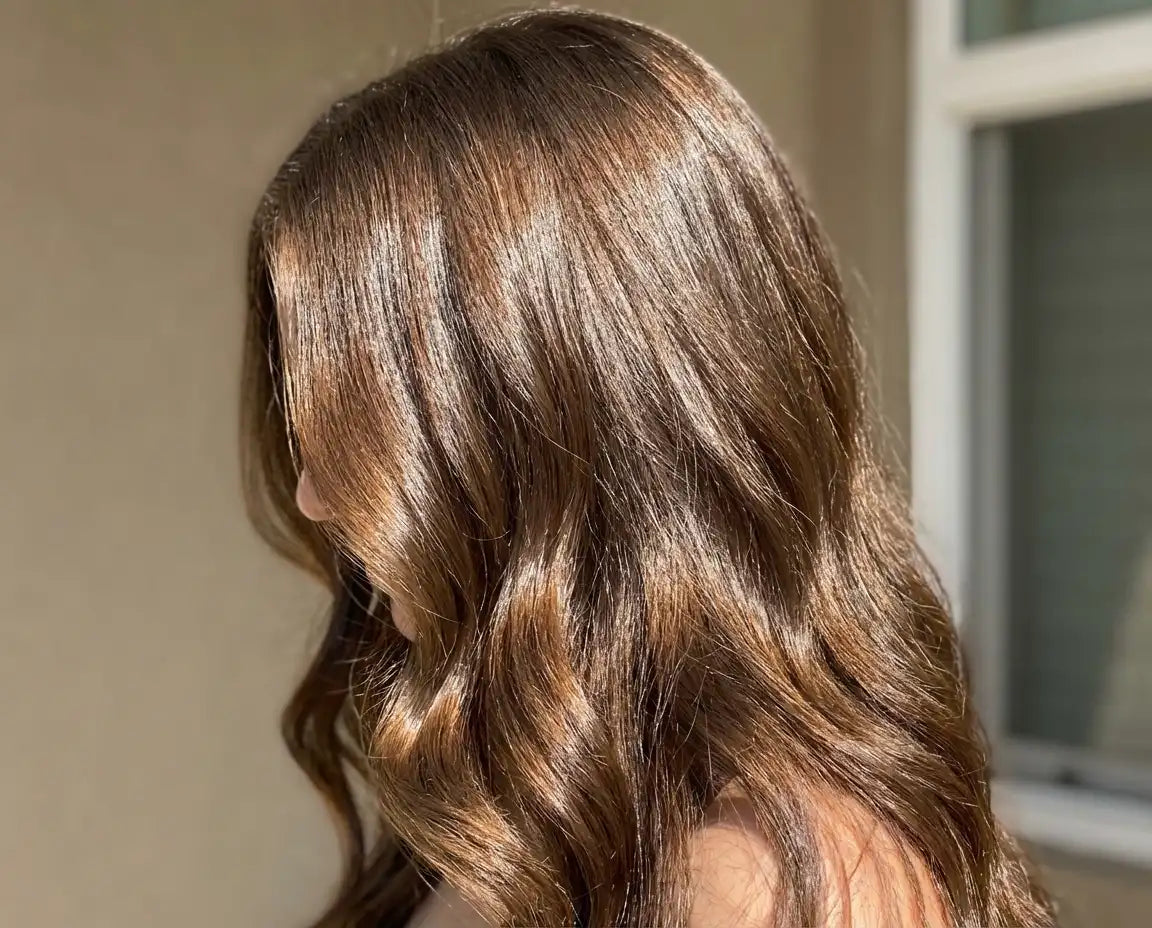
Achieving naturally shiny and healthy hair starts with choosing the right shampoo for your hair and scalp. Not all shampoos are created equal, and using the wrong shampoo can strip hair of natural oils, disrupt scalp health, and leave strands looking dull, frizzy, or brittle. Understanding the different types of shampoo and what they do helps you build a hair care routine that supports healthier hair, shine, and long-term hair health.
Understanding Hair Types and Scalp Needs
Before selecting a hair shampoo, it is important to understand your hair type and scalp condition. Hair types vary widely, from straight hair and wavy hair to curly hair, coily hair, fine hair, and thick hair. Each hair type reacts differently to ingredients, conditioning agents, and cleansing strength.
Scalp conditions matter just as much. An oily scalp produces excess oil, while a dry scalp may experience scalp flaking, itchiness, or scalp irritation. A healthy scalp supports overall hair and scalp balance and helps keep hair soft, silky, and manageable.
Types of Shampoo and What They Do
Everyday and Gentle Shampoos
Everyday shampoo and gentle shampoo options are designed for regular use. They cleanse the hair shaft without stripping natural oils and are suitable for most hair types. These shampoos help maintain strands hydrated and are ideal if you wash your hair frequently.
Sulfate free shampoos are often preferred in this category, as they avoid harsh detergents like sodium laureth sulfate that can strip hair and irritate sensitive scalps.
Moisturising Shampoo for Dry or Brittle Hair
Moisturising shampoo is best for dry hair, dry and brittle hair, or chemically treated hair. These formulas contain nourishing ingredients such as shea butter and conditioning agents that soften the hair cuticle and improve hair health.
They help reduce frizzy hair, improve silky hair texture, and leave hair soft and manageable. Moisturising shampoos are particularly beneficial for thick hair and treated hair that needs extra care.
Volumising and Thickening Shampoos
Volumising shampoo and thickening shampoo are ideal for fine or limp hair and limp hair that lacks hair volume. These shampoos cleanse lightly and coat hair strands in a way that makes hair appear fuller without weighing it down.
They are especially useful for fine hair, straight hair, and oily hair where excess oil can make hair fall flat.
Clarifying Shampoos
Clarifying shampoo and shampoo clarifying shampoos are designed for deep cleansing. They remove buildup from hair products, removing excess oil, minerals, and residue that can leave hair dry or dull.
Clarifying shampoos should not be used daily, as they can strip hair if overused. A rinse with apple cider vinegar is sometimes used as a gentle alternative to help restore shine and balance the hair cuticle.
Dandruff and Scalp Care Shampoos
Dandruff shampoo is formulated to target scalp flaking, itchy scalp, and scalp irritation. Ingredients such as zinc pyrithione and tea tree oil help manage dandruff while supporting scalp health.
These shampoos are suitable for oily scalp or dry scalp conditions, depending on the formula, and play an important role in maintaining a healthy scalp environment.
Colour Care and Purple Shampoos
Colour treated hair and colored hair require special care to avoid fading and dryness. Purple shampoo is designed for platinum hair and blonde shades to neutralise yellow tones and maintain brightness.
These shampoos are gentler and help protect the hair cuticle after chemical treatments. Using the right shampoo prevents strip hair damage and keeps treated hair looking vibrant.
Natural and Shampoo Bars
Natural shampoo and shampoo bar options are becoming increasingly popular. Many are sulfate free, eco-friendly, and suitable for sensitive scalps. The best shampoo bar offers gentle cleansing while maintaining hair and scalp balance.
However, not all shampoos suit all hair types, so choosing the best shampoo bar depends on your hair type, curl pattern, and scalp needs.
Shampoos that contain silicones coat the hair shaft, creating an instant smooth and shiny appearance. When people move from using a shampoo with silicones to one without, there is often a transition period of around two weeks where the hair can feel straw like, tacky, and harder to manage. This happens because silicones sit on the outside of the hair and mask damage underneath, rather than nourishing the hair itself. Once silicone based shampoos are stopped, it usually takes around five to ten washes for the silicone coating to fully wash away. During this time, hair may knot more easily and feel rough as the buildup is stripped from the hair shaft. This is a normal adjustment phase and not a sign that the shampoo is not working. Once the silicone residue is fully removed, hair is able to absorb moisture and conditioning ingredients properly, allowing it to regain a more natural shine, improved softness, and healthier long term manageability.
Choosing the Right Shampoo for Your Hair
Using the right shampoo is essential for hair health. The wrong shampoo can worsen oily hair, dry out dry hair, or irritate an already itchy scalp. When selecting shampoo brands, always consider your hair type, whether your hair is chemically treated, and your scalp condition.
A good shampoo for your hair should cleanse effectively, leave hair soft, and support healthy scalp function without promoting hair loss or over-drying hair.
Building a Balanced Hair Care Routine
A consistent hair care routine helps maintain shiny, healthy-looking hair. Avoid over-washing, rotate clarifying shampoos with gentle or moisturising options, and always match your shampoo to your current hair and scalp needs.
If you are looking to support your scalp's natural renewal process, browsing our full range of hair care products is a good place to start.
Supporting hair health means focusing on hydration, gentle cleansing, and scalp health rather than harsh treatments or unrealistic promises.
How to Get Naturally Shiny Hair
Shine comes from a smooth, healthy hair cuticle that reflects light evenly. Beyond the right shampoo, a few simple habits make a noticeable difference:
- Finish your wash with a cool water rinse to help seal the cuticle and lock in shine.
- Limit heat styling, and always use a heat protectant when you do.
- Swap a cotton pillowcase for silk to reduce friction and frizz overnight.
- Book regular trims to keep split ends from dulling the lengths.
- Eat for your hair, with protein, healthy fats, and iron-rich foods supporting strength and shine from within.
- Do not over-wash, as stripping natural oils leaves strands looking dull rather than glossy.
Pair these habits with a gentle, sulphate-free routine and your hair has everything it needs to look naturally healthy and shiny.
Achieving naturally shiny, healthy hair comes down to informed choices and consistency. The right routine, matched to your hair type and scalp, does most of the work over time. If you want a gentle, sulphate-free starting point, explore our full hair care range and find formulas suited to your hair type and scalp needs. Not sure what to choose? Get in touch with our team and we will help you build a routine that keeps your hair looking its healthiest.
Foods That Support Shiny, Healthy Hair
Shine starts on the inside as much as the outside. Hair is built largely from protein, so a diet short on the right nutrients often shows up as dull, brittle strands no matter how good your routine is.
Focus on protein sources like eggs, fish and legumes, healthy fats from oily fish, nuts and seeds for softness and shine, and iron and zinc from leafy greens and wholegrains to support the follicle. Vitamin C helps your body absorb iron, while staying hydrated keeps hair from looking flat and lifeless. A balanced, varied diet does more for long-term shine than any single supplement.
FAQs
What shampoo is best for my hair type
The best shampoo depends on your hair type and scalp condition. Fine or oily hair often benefits from gentle or volumising shampoos, while dry, thick, or treated hair usually needs a moisturising formula. Understanding both your hair texture and scalp needs helps you choose the most suitable option.
How often should I wash my hair
How often you wash your hair depends on your scalp and lifestyle. Oily scalps may need more frequent washing, while dry or curly hair often benefits from washing less often. Using a gentle shampoo helps prevent over-drying when washing regularly.
Can shampoo affect scalp health
Yes, shampoo plays an important role in scalp health. Using a formula that suits your scalp type can help manage oiliness, dryness, flaking, or irritation. A healthy scalp creates a better foundation for soft, shiny, and manageable hair.
How do I know if my shampoo is damaging my hair?
Signs that your shampoo may not be right for your hair include increased dryness or brittleness, excessive frizz, an itchy or flaky scalp, or hair that feels stripped after washing. If you notice any of these consistently, it may be time to reassess your shampoo choice based on your hair type and scalp condition.
What causes dull hair and how can shampoo help?
Dull hair is often caused by product buildup, hard water mineral deposits, over-washing, or using the wrong formula for your hair type. A clarifying shampoo used occasionally can remove buildup and restore shine, while switching to a moisturising or sulfate-free formula for regular washing helps maintain natural luminosity over time.
